bddk7hqh83ahx3c5tfkoz1gqew
Category: Uncategorized
-
Tips for Mastering Updating Your Account Details

Preserving accurate account details is one of the most forgotten aspects of digital platform management, yet it stays the cornerstone of a secure and seamless experience. We have seen that many users across Belgium handle their account information as a static formality after the initial registration. This mindset can result in friction during withdrawals, missed security alerts, and unnecessary verification delays. We want to guide you through a professional approach to profile hygiene, making sure that your data continues to be as current as your circumstances, and that your access to features like Betninja Casino remains uninterrupted and fully protected.
Creating a Sustainable Schedule for Account Hygiene
Sporadic updates are better than none, but a consistent routine is what differentiates a safe account from a risky one. We advocate for integrating account hygiene into your existing digital habits. Connect your profile review to a periodic outside event, such as the delivery of a monthly bank statement or the first day of a new season. This cognitive anchoring ensures you never neglect a review cycle. During this quick session, you should check your contact details, examine your transaction history for unrecognized activity, and verify that your associated payment methods are still valid and not close to their expiration dates.
We also recommend creating a personal checklist that matches the platform’s profile fields. This checklist functions as a quick reference guide so you do not have to lean on memory. Maintain this list secure but reachable. The routine should not appear like a chore; rather, regard it as a quick health check for your digital identity. In the Belgian regulatory environment, where responsible gaming and identity verification are critical, a well-maintained account shows your dedication to a safe community. This proactive stance not only defends you but also simplifies every future communication with the service provider.
Mastering the Login Gateway with Confidence
The login screen is the entry point to your profile, and understanding its nuances is the first step toward better account security. We often see users rush through this stage, saving passwords insecurely or ignoring session management options. When you use the Betninja Casino login page, we advise you to treat it as a milestone, not just a obstacle. Before typing your credentials, verify the connection security indicators in your application. This simple visual check verifies you are not on a cloned site. Once logged in, resist the urge to select “remember me” on shared or public machines, as this bypasses the first layer of account safety.
We also recommend making yourself aware with the password recovery flow before you actually need it. Knowing where the “forgot password” link takes you and which email inbox accepts the reset token stops panic during a lockout. If you have recently changed your email address but have not yet validated it, the reset token will vanish into an inaccessible email folder. This is a common self-inflicted lockout case. By grasping the exact path from the login gateway to your personal dashboard, you can detect anomalies quickly, such as unrecognized login attempts or prompts for verification codes you did not ask for.
Navigating the Sequential Detail Update Process
Once you have properly authenticated, the procedure of updating your information should be methodical https://betninjas.eu/login. We recommend against hurrying through multiple changes in a single, rapid session, as this can sometimes resemble suspicious bot behavior. Instead, tackle the update with a clear plan. Start by moving to the profile or account settings section, usually accessible from a user icon. Before altering a single character, take a moment to review the current data on file. This audit allows you to identify exactly which fields are stale. We note that users who skip this review often update the wrong field or miss a secondary field that is linked to the primary one.
When you begin editing, ensure you are working from an official document. Do not depend on memory for your registered address or ID number. Take out your physical identity card or a recent utility bill. Input slowly and double-check every character against the source document. A single transposed digit in a postal code can cause the entire address invalid. After saving the changes, do not simply close the window. Log out completely and log back in to verify that the system has persisted the new data correctly. This full-cycle check confirms that the update has been committed to the database without errors.
Avoiding Common Data Entry Pitfalls
Even cautious users commit typographical errors, but we have pinpointed patterns that you can consciously prevent. The most widespread mistake involves the formatting of Belgian postal codes and municipality names. The system requires the official spelling, which may differ from the informal or abbreviated version you employ daily. Always use the exact spelling found on a official document. Another pitfall is the accidental inclusion of spaces before or after an entry. A trailing space in an email field or a bank account number can cause a mismatch that is invisible to the naked eye but critical for automated checks.
We also notice users grapple with the distinction between a billing address and a residential address. If the platform does not explicitly separate these fields, ensure the address you provide aligns with the one associated with your payment method. Inconsistency here triggers anti-fraud algorithms. Additionally, be highly cautious when using browser auto-fill features. While handy, auto-fill often fills fields with stale or merged data from multiple profiles. We suggest disabling auto-fill for delicate forms and typing the information manually. This intentional act of data entry reduces the error rate dramatically and keeps your profile pristine.
Verifying Your Personal Documents Effectively
The document verification stage is where many users experience hassle, but we view it as a process that values accuracy. When a platform demands a new copy of your ID or a proof of address, the clarity of the upload influences the timing of approval. We suggest utilizing a flatbed scanner or a high-resolution smartphone camera in natural daylight. Steer clear of throwing shadows across the document’s data zone. In Belgium, the back of the identity card contains the national register number; confirm this side is also captured clearly if asked for. Fuzzy or cut-off images are the primary cause of refusal, forcing you to restart the clock on your validation.
Pay close heed to the file format and size constraints specified by the upload tool. A file that is too large may fail silently, while an unsupported format will be rejected outright. We suggest keeping a secure, encrypted folder on your device with clear digital copies of your essential documents. This planning enables you to react to a verification demand in seconds rather than days. Before pressing submit, zoom in on the preview to confirm that the text is legible. A forward-thinking approach to document readiness guarantees that your account remains fully confirmed and unlimited, enabling you to enjoy uninterrupted service.
Recognizing the Right Moments to Modify Your Information
Life changes often occur gradually, and we rarely associate them immediately to our digital accounts. However, we suggest establishing specific triggers that prompt an immediate profile review. A change of address, even within the same Belgian municipality, necessitates a swift update to keep your proof of address valid. Similarly, renewing your identity card or passport means the expiration date stored on your profile is no longer correct. If you do not update this, the automated verification systems will eventually reject your documents, leading to a restricted account status at the most inconvenient moment.
Marital status changes or legal name adjustments are also critical inflection points. We recommend users to update their profiles before launching a large transaction following such a life event. Banking details often change simultaneously, and a mismatch between your registered name and your payment method will halt processing instantly. Beyond legal changes, we recommend a recurring calendar reminder every three months. This habit secures that even subtle changes, like a new primary email address, are noted. Proactive updates are always faster than reactive recovery processes, which demand extensive manual intervention.
Enhancing Security Settings During Profile Reviews
An update session is the ideal opportunity to audit your security posture. We maintain that profile accuracy and account security are inseparable. While you are in the settings panel to change your address, take an extra minute to review your active sessions. Most platforms, including Betninja Casino, provide a list of devices that have accessed your account. If you see a location or browser you do not recognize, you can terminate that session immediately. This is a strong habit that transforms a routine data update into a complete security sweep, ensuring that no lingering unauthorized access points remain open.
We also strongly recommend rotating your password during these quarterly reviews. A secure, unique password is your first line of defense, and updating it regularly minimizes the risk of credential stuffing. Pair this with a thorough check of your two-factor authentication (2FA) settings. If you have switched phones since your last review, your authenticator app might need to be resynchronized. Ensure your backup codes are still accessible and stored offline. By bundling these security tasks with your profile updates, you create a reliable ritual that protects your identity and your funds with minimal extra effort.
Grasping the Operational Importance of Profile Precision

When we discuss account management, we are not merely referring to administrative maintenance. Your profile data strongly affects the pace of your financial operations and the integrity of your identity authentication. In the Belgian market, where regulatory compliance is especially strict, platforms must align your documented identity with your digital footprint. A mismatch in a single field can activate a security flag. We consider this as a protective step rather than an inconvenience. By treating your account details as a living entry, you proactively lessen friction in your user journey and strengthen your protection against unauthorized access tries.
Furthermore, accurate details ensure that critical communications arrive at you without obstruction. Whether it is a two-factor authentication alert or a notification about a new security feature, outdated contact information breaks the chain of trust. We have observed that players who consistently check their profiles experience significantly less lockouts. They also regain their accounts faster if a device is lost. The strategic value lies in the forestalling of cascading breakdowns. A lone outdated phone number can delay a withdrawal for a fortnight, creating unnecessary strain that could have been avoided with a five-minute review check.
Using Customer Support for Complex Changes
There are scenarios where self-service tools reach their limits, and acknowledging this boundary is a mark of a mature user. If you have to correct a fundamental piece of data that is secured for security reasons, such as a date of birth or a legal name that was entered incorrectly during registration, do not attempt to force the change through automated forms. Instead, we suggest you to contact the support team directly. Professional platforms like Betninja Casino have specialized staff trained to handle sensitive modifications while keeping the integrity of the account. Get ready your documents before beginning the chat or email to accelerate the process.
When contacting them, be specific and succinct. State the exact field that requires correction and explain the reason for the discrepancy. Include clear, unedited copies of the supporting documents immediately to avoid a back-and-forth conversation. We observe that users who approach support with a cooperative, prepared attitude fix their issues in a fraction of the time. Remember that the support agent is your helper in maintaining security. Their rigorous checks are meant to prevent social engineering attacks. By respecting the process and providing clear evidence, you bolster the protective barrier around your account.
Upholding an accurate profile is a persistent journey that mixes personal vigilance with an understanding of platform security mechanics. By implementing a structured routine, managing document uploads with precision, and acknowledging the critical moments that demand an update, you transform a mundane task into a powerful shield. We motivate you to view every login not just as access, but as an opportunity to verify the integrity of your digital identity. With these practices, your experience remains smooth, your transactions stay quick, and your peace of mind stays unchanged.
-
Everything About Righteous Essentials Editor Approved Picks
We Are Righteous Review: What Shoppers Are Actually Saying
Prior to ordering from a clothing brand, any prospective buyer wants the same thing: honest signals on fit, fabric, durability, and whether the company stands behind what it sells. In the streetwear-meets-faith-based apparel space, We Are Righteous has made a mark, and those searching “righteous review” or “we are righteous review” are for the most part seeking to confirm a simple question — does the product match the branding? Compiled below is what customers, forum threads, and comparison shoppers tend to say about the righteous clothing brand, without inflating claims the brand itself hasn’t made public.
We won’t invent pricing tiers, fabric blends, or size charts that weren’t confirmed. Rather, this piece focuses on patterns in feedback, how the brand positions itself, and useful things to weigh for anyone weighing an order of a righteous hoodie or other pieces from the righteous apparel lineup.
Who Is We Are Righteous and What Do They Sell?
We Are Righteous functions as an apparel label organized around a message-driven identity, fusing streetwear silhouettes with faith-forward branding. The core catalog generally focuses on hoodies, tees, and outerwear pieces designed to carry bold graphics or scripture-adjacent messaging rather than subtle logos. This positions the brand less as a basic essentials shop and more as a statement-piece label, similar to how many mission-driven streetwear companies operate in 2026.
People who gravitate toward righteous usa righteous clothing are often looking for something specific: apparel that speaks to their beliefs without giving up the fit and construction demanded from modern streetwear. That dual demand — substance alongside craftsmanship — is the area in which most reviews concentrate their attention. Rarely do shoppers just ask “does it look good in photos”; instead they ask whether the hoodie holds shape after five washes, whether the print peels, and whether sizing is accurate.
The brand’s online presence operates mainly through direct-to-consumer sales, which is standard for independent apparel labels. This model means customer service responsiveness and shipping transparency end up being just as important to the buying decision as the product photos themselves. Reviews that mention “we are righteous brand” tend to split into two buckets: people judging the clothing itself, and people assessing the ordering experience.
What Customers Say About Fit and Quality
The most consistent theme across customer feedback for the righteous hoodie line is fit expectation versus reality. Streetwear-style hoodies typically come in oversized or boxy cuts, and reviewers repeatedly mention that first-time buyers should study the size specs closely before ordering, since brand-to-brand sizing rarely matches perfectly. This isn’t unique to We Are Righteous — it’s a pattern across the entire independent streetwear category — but it shows up often enough in righteous review discussions that it’s important to note directly.
Fabric weight is another recurring topic. Heavier hoodies tend to earn praise for structure and warmth, while lighter pieces get mentioned more often in the context of layering or transitional weather. Customers evaluating any apparel brand in this niche tend to weigh three things above all else:
- What the item comes across immediately upon opening the packaging
- Whether or not the sizing matches the size picked at the time of purchase
- The extent to which the material and print stand up after multiple laundering rounds
Print and graphic durability is where message-driven apparel brands are judged most harshly, because the entire value proposition often centers on the design itself. If a graphic cracks, peels, or fades early, it undermines the core reason someone bought the piece in the first place. Reviewers consistently reward brands that use higher-quality print methods, and this is a detail worth confirming directly with We Are Righteous’s product descriptions before purchase, since techniques can vary between drops or collections.
How We Are Righteous Measures Against Similar Apparel Brands
Positioning We Are Righteous against other message-driven or faith-based streetwear labels helps clarify where it fits in the broader market. The table below reflects general category patterns reported by customers across similar independent apparel brands, rather than confirmed specifics unique to any single company, since exact pricing and material details should always be verified on the brand’s current product pages.
Factor We Are Righteous, in particular Common Independently-Run Streetwear Company Typical Religiously-Oriented Apparel Company Brand Essence A faith-centered take on streetwear Trend or culture-driven Message-centered in nature Common Product Focus A range of hoodies, tees, and outerwear A selection of hoodies, tees, and accessories A set of tees, hoodies, and hats Distribution Approach Sold direct-to-consumer online Direct-to-consumer or retail hybrid An web-based direct-to-consumer setup What Customers Care About Consistent fit paired with durable prints Timing of trends and drop availability Message resonance and comfort Common Purchase Driver Alignment on values combined with style Exclusivity paired with style Identity, whether personal or communal This comparison makes clear that We Are Righteous carves out a middle ground — it isn’t simply a fad-following streetwear label, and it’s not a solely devotional clothing brand either. Such a blended positioning is arguably its chief edge, and it’s a major reason the brand attracts a specific, loyal customer base rather than casual one-time shoppers.
Shipping, Sizing, and Customer Service Feedback
Fulfillment consistency is what makes or breaks independent apparel brands, and We Are Righteous follows the same rule. People vetting the brand before they buy typically look for answers about three logistical questions: the turnaround time for shipping, how true-to-size the pieces are compared to usual charts, and how attentive the support team is if something goes sideways. These questions matter more for a brand selling directly to shoppers than a mall retailer, because there’s no physical changing room available as a backup.
Patterns, rather than one-off grievances, are what deserve attention when reviewing any clothing label’s shipping reputation. A few negative reviews about shipping holdups is common across nearly every smaller-to-midsize fashion labels, especially during high-demand launches. The more important question is whether the brand gets ahead of delays with clear communication and resolves fit problems or damage claims without friction. Shoppers should always check We Are Righteous’s up-to-date shipping terms and size guide right on the product listing before completing a checkout, since these particulars can vary between drops.
Equally careful attention is warranted by policies on returns and exchanges. A brand that makes its policy readily accessible and straightforward to use typically wins more credibility, even among shoppers who never end up needing it. When comparing “righteous clothing brand” to its competitors, reviewing the return timeframe and condition rules ahead of buying is a small precaution that spares most buyer’s-remorse issues later.
Should You Buy We Are Righteous come 2026?
The real answer depends on what a shopper cares about most. When a buyer wants clothing that openly expresses faith and identity while also resembling contemporary streetwear, We Are Righteous meets a space that larger fast-fashion brands mostly pass over. What sets it apart isn’t being the cheapest, but a specific aesthetic-message combination tailored to a defined audience.
For first-time buyers, the savviest approach is starting with just one item — frequently a sweatshirt or tee — instead of a complete wardrobe haul. Before ordering additional pieces, a buyer can check how well it fits, feels, and prints firsthand through this approach. This also reflects advice seen throughout numerous trustworthy review threads: sample the piece on a smaller scale, double-check sizing against your own measurements, and go through the latest product descriptions attentively since information can vary between drops and restocks.
At the end of the day, chatter around We Are Righteous reviews tend to converge on a reasonable conclusion: the brand lives up to its central identity — purposeful, faith-driven streetwear — and most satisfaction or disappointment comes down to the usual apparel-related variables like fit precision and delivery speed not because the concept itself is flawed.
If you’re still weighing the choice, examining the label’s latest product listings and customer policies and guidelines remains the smartest move before placing a righteous-style hoodie or any other piece to your shopping cart.
-
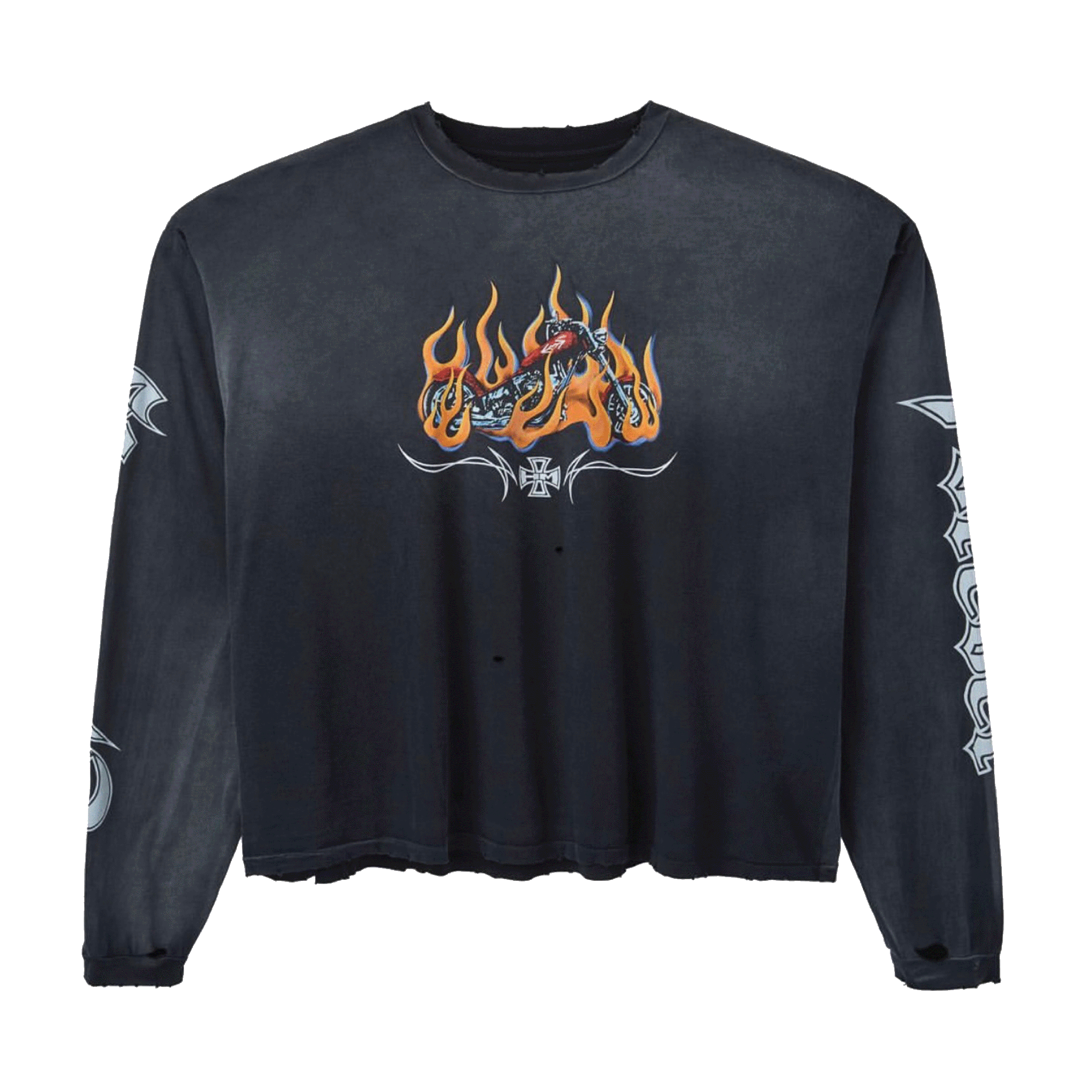
HMDD Apparel Sizing Guide Sizing and Fit Notes
What HMDD Collaborations Mean for the Brand’s Identity
HMDD, short for Happy Memories Don’t Die, has built its name on a philosophy rather than a logo. The brand treats clothing as a vessel for nostalgia, and every collaboration it enters becomes a test of whether that idea can survive contact with another creative voice. When two brands merge visions, one of them usually bends. With HMDD, the bending tends to happen carefully, because the phrase “happy memories don’t die” is not just a tagline — it is the entire reason customers return. Collaborations force the label to answer a harder question than “what does this look like?” It has to answer “does this still feel like us?” That tension is exactly why HMDD’s partnerships matter more than a typical streetwear crossover.
A large share of fashion collabs function mainly to borrow attention. Once a lesser-known brand partners with a bigger name, there’s a jump in traffic — and that’s usually the end of it. HMDD’s approach plays out differently in actual execution. The label generally tends to select creative counterparts who already share an emotional register — somber, nostalgia-fueled, quietly rebellious — rather than going after whichever name is making the most noise. Because of that selectiveness, the brand identity stays coherent across drops — and it’s worth unpacking one element at a time.
What Makes Joint Projects a Genuine Brand-Identity Pressure Test
A company’s identity is easiest to protect when it functions happy memories don’t die solo. Each textile pick, every graphic placement, each silhouette choice stays inside one team’s control. The instant a new creative partner comes aboard, compromises start piling up. HMDD clothing has cultivated its identity around specific signals: distressed graphics, oversized silhouettes, and text treatments that reference memory, loss, and time. Those defining markers could easily be flattened into something blander by a partner favoring a bolder, market-friendly look.
This marks the point where discipline emerges as a deliberate edge. Feedback and write-ups originating from the HMDDLA community repeatedly point out that partnership drops keep the brand’s foundational design language — identical fabric heft, an identical distressed-print approach, matching sentimental wording on tags and inserts. This uniformity is no accident. This implies an underlying principle: the collaborator can influence hue or shape, but the emotional throughline stays untouched.
Consider the alternative. If HMDD released a collab hoodie with bright, glossy branding and zero reference to its usual themes, longtime buyers would notice within seconds. The brand’s audience isn’t drawn in by trend-chasing; they’re drawn in by specificity. A single misstep — one collection that feels like merchandise rather than memory — could cost more trust than any short-term sales bump would repay.
What, In Essence, Joint Projects Disclose About HMDD’s Creative Approach
Stylistic tendencies that might under other circumstances go overlooked get spotlighted by each joint release. Any time HMDD partners with someone outside the brand, a few recurring traits recur across nearly all output: dense cotton fabrics (usually in the 280–400 GSM range for hoodies and sweatshirts), loose-fitting shapes, and hand-distressed or tonally washed finishes that impart each piece a worn-in quality rather than a brand-new one. This tendency is especially visible in HMDD sweatpants — relaxed tapering, elasticated rib endings, and a textile touch that leans toward comfort over crisp shaping.
The same reasoning carries over to HMDD shorts. Rather than treating shorts as a filler category, the label carries over the identical distressing techniques and typography choices found on outerwear pieces, which keeps a entire seasonal release read as unified rather than scattered. That consistency across categories — hoodies, sweatpants, shorts, tees — helps explain why shoppers specifically look up “best hmdd clothing” instead of accepting a off-the-shelf streetwear option.
- Textile heft stays dense and weighty, even in summer-suited pieces like shorts.
- Typography relies on handwritten or distressed-stencil styles instead of minimal sans-serif labeling.
- Color palettes lean toward muted blacks, washed greys, and subdued natural tones over bold, punchy hues.
- Graphics nod to memory, time, and impermanence rather than straightforward branding.
Once an outside partner steps into this space, the expectation is that they adopt HMDD’s design vocabulary rather than impose their own. It’s a bigger demand than it seems, and that’s the reason not every pitched collaboration makes it to production.
The Business Logic Behind Selective Partnerships
Streetwear’s market logic prize rarity and penalize excess visibility. A brand that partners with every possible name eventually collaborates with no one memorably. HMDD’s release cadence appears to favor limited quantities and sparsely spaced partnership releases instead of a nonstop flow of co-branded goods. That pacing does two things at once: it protects perceived exclusivity, and it gives the design team enough runway to make sure every partnership remains clearly identifiable as HMDD.
Worth noting too is the pricing strategy at play. Streetwear collab items usually cost more than regular catalog pieces — commonly priced 15–30% higher — because of added production complexity, limited runs, or dual-branding costs. Shoppers who look up an “hmdd review” before purchasing frequently cite value-for-money as decisive, so any collaboration that raises price without raising perceived craftsmanship invites criticism instead of approval.
Because of this the most astute fashion partnerships operate more as shared research-and-development efforts than promotional gimmicks. Both teams combine their methods — maybe one contributes a dye process, the other contributes a silhouette — and the result should feel earned rather than slapped together. If that equilibrium succeeds, both audiences convert into fans of the other brand. Should it fall short, neither group of followers feels prioritized.
Weighing Different Collaboration Strategies
To understand where HMDD positions itself compared with standard streetwear collaboration strategies, it helps to look at a few widely-used approaches adopted across the industry in 2026. The table below lays out three overarching collaboration styles seen in the larger streetwear market, unconnected to specific named partners.
Collaboration Style Core Aim Typical Release Size Risk to Brand Identity Repeated co-branding Increase visibility and traffic Sizable, recurring batches Significant — brand character erodes with excessive exposure One-off hype drop Brief sales surge Extremely scarce, single run Moderate — impact fades once hype passes Selective, values-aligned partnership (HMDD’s typical pattern) Reinforce core identity while engaging adjacent audiences Limited, occasional Minimal — partner adapts to brand language rather than supplanting it It’s in that third category that HMDD’s partnerships tend to settle. There’s little sign the brand wants to saturate its calendar with joint releases. Instead of that, each partnership appears built to answer a particular creative question — a new fabric treatment, an untried color palette, a fresh take on distressing — while leaving the sentimental center of “happy memories don’t die” fully intact.
The Takeaway for Buyers This Year
For anyone comparing HMDD against other emerging streetwear labels this year, collaborations offer a valuable litmus test. If a collaboration piece still reads as unmistakably HMDD — same fabric weight, same worn typography, same emotional resonance — that signals the brand’s identity is solid enough to survive growth. If future drops start feeling interchangeable with whichever partner is attached, that counts as a warning sign worth monitoring.
Shoppers researching HMDD sweatpants, HMDD shorts, or any collaboration piece should pay attention to a few concrete details before buying: fabric weight specified in the product description, whether sizing runs true-to-size or intentionally oversized, and whether the piece is part of a serialized or limited run. These details are more important in collaboration releases than in routine catalog drops, since collaboration pricing generally lands higher and expectations increase accordingly.
Ultimately, HMDD’s collaborations act as identity checkpoints rather than purely marketing events. Each one asks whether the brand can grow its reach without losing the specific, memory-driven mood that built its following in the first place. The pattern so far points to a brand that cares more about guarding its voice than grabbing every spotlight on offer — and for a label built wholly around emotional resonance, that discipline may be its most valuable asset heading further into 2026.
-
Tory Burch Playful Style Tory Burch Crossbody Bag
The Rise of Tory Burch: From First Steps to Global Recognition
Working from a compact office in New York City, she founded her namesake label in February 2004, debuting her first store in Nolita that very year. She combined all-American sportswear staples with boho touches, a mix that felt set apart in a market saturated by either minimalist basics or logo-heavy high-end pieces. In its formative period, the brand became known for the double-T logo, colorful prints, and the now-iconic Reva ballet flat, christened for her mother. Within a year of opening, the company had already caught the attention of Oprah Winfrey, who spotlighted Tory Burch on her list of favorite things in 2005. This one nod drove customer interest and purchases at a pace the young company had not quite prepared for. Having begun as a specialized accessories and sportswear line has since expanded into a global fashion house with hundreds of stores, a presence in dozens of countries, and a diversified product range covering clothing, footwear, handbags, and accessories.
Knowing this history counts for shoppers today because the brand’s growth shaped its current pricing structure, product categories, and store strategy, including where and how discounts surface. A person reviewing Tory Burch today is essentially weighing two decades of design progression and strategic moves, not just a single collection.
The Early Years and the Reva Flat
Launching in that first 2004 collection, the Reva ballet flat became the piece most associated with its identity for almost ten years. Set at an approachable price point compared to European luxury flats at the time, it offered a distinctive logo detail without the four-figure price tag associated with competitors. Buyers and editors took notice fast, and the flat showed up in magazines ranging from Vogue to InStyle within its first two years. Tory Burch herself had held roles at Ralph Lauren, Vera Wang, and Narciso Rodriguez before founding her own label, and that background informed a design sensibility built on classic American style with offbeat color and pattern choices. The company’s first store generated enough revenue that a second location opened within a year, and by 2007 Tory Burch had grown into multiple U.S. cities. The expansion was gradual torry burch outlet rather than sudden, which allowed the brand to build infrastructure, including in-house design and production oversight, before expanding abroad.
Toward the close of that decade, the label had added handbags and ready-to-wear as core categories rather than just accessories. Such expansion of categories set the foundation for what would eventually include tory burch tops, dresses, outerwear, and a full footwear line extending past the original flat.
Global Reach and a Maturing Brand
The label debuted its first international boutique in 2009, and by the early 2010s the company had stores across Europe, the Middle East, and the Asian market. Revenue estimates from market observers placed the company’s yearly revenue above $800 million by 2013, a significant jump from its founding years. The brand also moved into online retail earlier than many peers, recognizing that digital shopping would play a key role in how shoppers researched and purchased fashion. This move proved significant because it allowed the company to manage its own tory burch outlet channel together with full-price retail, offering customers more access points at multiple price tiers. Wholesale relationships with major retailers like Neiman Marcus, Nordstrom, and Bloomingdale’s also widened the brand’s market presence during this period. By 2015, the company had become one of the bigger independently-run fashion businesses in the United States, an uncommon achievement given how many contemporary labels end up folded into larger conglomerates.
In step with its store presence, the company’s design language matured. Product ranges came to include more structured coats and jackets, structured handbags, and a fuller range of tory burch shoes extending past ballet flats, encompassing sandals, boots, and heels designed for both daytime and eveningwear occasions.
Product Range Today: What Characterizes the Brand in 2026
Stepping into a Tory Burch store or exploring the site in 2026 reveals a far wider assortment than the company’s early years indicated. Footwear continues to anchor the range, with tory sandals available in styles spanning understated leather slides to decorated block-heel options fitting warm-weather dressing. Handbags continue to anchor the accessories category, covering structured totes, crossbody styles, and smaller clutches that showcase the brand’s trademark hardware details. The ready-to-wear line has expanded into a substantial portion of the business, with tops, dresses, knitwear, and outerwear meant to layer across seasons instead of sit as an afterthought next to accessories. The brand also maintains a jewelry and watch line, which has developed steadily since its debut. Those exploring the best of Tory Burch clothing today will usually find collections arranged by seasonal color palettes, with repeated shapes updated in new fabrics each year.
Pricing differs across categories, and consumers frequently ask whether the brand fits into the attainable luxury or contemporary segment. It generally sits above mass-market brands but below traditional European luxury houses, a positioning that has remained consistent since the brand’s founding.
Shopping the Brand: Outlet, Sale, and Full Price
The tory burch outlet-store sales avenue runs both as dedicated brick-and-mortar sites and in the form of a designated portion of the company’s own online storefront, featuring previous-season pieces and goods made specifically for outlet at reduced prices. This contrasts with a tory burch promotional sale, which typically applies to newly arrived or current-season full-priced goods and appears during specific promotional windows throughout the year, like end-of-season markdown events or holiday sale windows. Shoppers who want newer styles at a discount should watch for sale events rather than relying solely on outlet inventory, since outlet product is often manufactured separately for that channel and might be somewhat different in craftsmanship or materials versus regular-line pieces. Department store partners also run their own promotional calendars, which sometimes overlap with the brand’s own sale timing and sometimes do not. Registering for email updates, whether from the brand directly or from a preferred seller, stays the surest way to catch these periods before items sell out. Considering the brand’s reach in 2026, with physical stores and online sales stretching across dozens of countries, how much stock is available during sale periods can differ greatly depending on region and category.
During markdown events, shoes and bags tend to sell out fastest, particularly in popular sizes and neutral colorways, meaning shoppers hunting for tory sandals or a specific bag style should act early rather than waiting.

Weighing Shopping Channels
Avenue Usual Merchandise Discount Level Most Suited To Full-price retail/site Current season, newest arrivals None, except sale events The newest tops, sandals, and handbag designs Tory Burch outlet Previous-season items or outlet-only merchandise Fair to substantial Basic pieces and gifts at a more affordable cost Recurring promotional events Recent full-price merchandise Fair Newer styles at a reduced price Department store partners Selected assortment, varies by store Varies, often tied to store-wide promotions Trying items in person before buying Reviews and Top Picks: Common Shopper Questions
When it comes to a Tory Burch review, search interest generally focuses on how items wear over time, sizing accuracy, and whether the price matches the quality delivered—reasonable concerns for any brand positioned in the accessible luxury space. Shoes tend to be well-reviewed for comfort, especially among flats and sandals, though a few heeled options run small and do better if you order a half size larger, based on frequently echoed customer comments. Bags tend to get positive reviews for the quality of the hardware and overall shape, with leather goods holding up well over years of regular use when cared for properly. When people search for a top 10 tory burch list, the results usually include a shifting combination of the classic Reva flat, a structured tote, a pair of block-heeled sandals, a fitted blazer, and a couple of standout jewelry items, since these product types reflect the brand’s strongest and steadiest categories. Feedback on ready-to-wear is less uniform, with some shoppers noting that fit isn’t always consistent across different cuts, which is typical for most modern brands offering both fitted and relaxed styles within a single season.
For those putting together a collection from the brand, starting with one or two footwear staples and a versatile bag before branching into ready-to-wear tends to be the approach most reviewers recommend, since these categories have the most established history of reliable quality.
The Road Forward
Within an industry marked by mergers and consolidation, Tory Burch, two decades after opening that first Nolita boutique, has emerged as an example of sustained, independently controlled growth. Continued spending on both physical stores and online platforms signals more expansion ahead instead of a leveling-off. For shoppers, this means more reliable access to upcoming collections, clearer sale calendars, and a steadily growing product range across clothing, shoes, and accessories looking ahead toward 2026 and the years after.
-
Garavani Couture Purse Valentino Rockstud Bag
Rockstud vs Rockstud Spike: Which Fits You Better
On the same shelf, two lines share the same pyramid stud, and the choice between them costs somewhere between one thousand and two thousand dollars. That is the plain framing of the Rockstud and Rockstud Spike question, and it is why so many buyers freeze halfway through the decision. Related they undoubtedly are, but they come out differently in the hand, in the wardrobe and on the resale market. The price gap between them is not for show: one is the everyday line, the other the evening one. Set side by side here are the things that actually change the outcome: what each costs at observed 2026 market prices, what materials each uses, what formats exist, and which survives contact with an ordinary week. What follows is built from what is currently live: both lines remain in the brand’s own bag filters in September 2026.
One motif, two tiers
The comparison exists because of what joins them, so that is where to start. Current rather than archival, both lines are built around the flat pyramid stud that has become the most recognisable hardware in the house’s leather goods. The point of divergence is tier. Rockstud takes the entry and lower-middle band, $1,250 to $2,100 at observed 2026 market prices; Rockstud Spike sits a full step above, at $2,400 to $3,700. What the gap tracks is a shift in materials, in size and in how dressed-up each line is asked to be, not a difference in studs. Cast Rockstud as the motif in daylight and Rockstud Spike as the motif in the evening, and the other differences mostly explain themselves.
Where the studs began
It was in Fall 2010 that the pyramid stud appeared, introduced by Maria Grazia Chiuri and Pierpaolo Piccioli during their period as co-creative directors of the house. It began on footwear rather than handbags, a fact that explains the motif’s proportions: the studs were designed to catch light on a curved surface before migrating onto flat leather panels. The reference cited in the design is bugnato rustication, meaning the rough-cut stonework on Renaissance palazzo façades in Rome, fitting for a house whose creative headquarters is Roman. Online, one piece of chronology is frequently confused: the motif appeared three valentino designer years after Valentino Garavani retired from design in 2007, so the studs were never his work; he died in January 2026, having had no ownership of the company since 1998. Because it rests on a single source, the widely repeated year for the Rockstud bag launch should be treated with suspicion. Since 2024 creative direction has been in the hands of Alessandro Michele, and both stud lines carried through that transition intact.
Rockstud in 2026, the line that works for a living
Rockstud is the more practical and the wider of the two, amounting to roughly fifty-two pieces observed live on the brand’s own site. Grainy calfskin anchors a palette that leans hard-wearing, with suede, raffia, laminated calfskin and pony-effect calfskin filling out the seasonal edges. The formats are everyday formats, and that, more than anything, is the real argument for this line. The mini shopping tote is $1,390 in grainy calfskin or suede, $1,490 in raffia, $1,750 laminated and $1,850 in pony-effect. In grainy calfskin, a small valentino crossbody bag comes in between $1,650 and $1,950, with the laminated version at $1,790; a small valentino shoulder bag gets to $1,950 in suede and $2,100 in grainy calfskin. Outside the clutches, the cheapest way into the motif is a laminated calfskin wallet at $1,250, which marks the floor.
Rockstud Spike in 2026: the dressier sibling
Rockstud Spike is the narrower line, suppler and more expensive, and it is aimed at a different part of the week. Its observed palette shifts away from the grainy calfskin of the base line towards nappa, suede, kidskin and embroidered nappa, all more supple and less forgiving of scuffs. Pricing follows the materials, not the studs. Reckon on $2,400 for a crossbody clutch, $2,550 for a small suede and $2,800 for a small nappa; medium sizes run from $2,750 to $3,200 in suede, $2,950 in kidskin and $3,500 in nappa, with a medium embroidered nappa topping out at $3,700. The last figure is the telling one: embroidery is where the line starts behaving like the top of the range rather than its commercial core. Choice is slimmer here than on the base line, which means the piece you want may simply not exist in the material you want.
Head to head on the numbers
Compare the two lines directly and the pattern that emerges is clean rather than subtle. Every piece in the Rockstud range sits below the starting price of Rockstud Spike, and a $300 gap separates the top of one from the bottom of the other. One palette is chosen for wear and the other for drape, which is the same story told differently. Formats are part of it too: a tote and a wallet come with the base line alone, while the Spike offers a crossbody clutch that reads as evening. All figures below are observed 2026 market prices on the brand’s own United States site, not an official price list, and they shift with material and season. Where the two lines overlap is barely anywhere, and the table maps that.
Point of difference Rockstud Rockstud Spike US range observed in 2026 $1,250 to $2,100 $2,400 to $3,700 Cheapest observed piece Laminated calfskin wallet, $1,250 Crossbody clutch, $2,400 Priciest piece observed Small shoulder in grainy calfskin, $2,100 Medium embroidered nappa, $3,700 Palette observed Grainy calfskin, laminated calfskin, suede, raffia, pony-effect Nappa, embroidered nappa, suede, kidskin Formats seen Wallet, mini shopping tote, small crossbody, small shoulder Small shoulder, medium shoulder, crossbody clutch How much choice Around fifty-two live pieces Distinctly narrower Which one your week wants
How often it goes out, not taste, usually settles the decision. Work, a phone, a wallet and rain twice a month point straight to the grainy calfskin Rockstud, whose most useful shape is the mini shopping tote. Dinners, events and evenings where you carry almost nothing point to the Spike, whose nappa and suede give a softer body and a richer surface; there the crossbody clutch is the format that earns its keep. Colour reads differently across the two as well, since suede and nappa hold saturated tones in a way grainy calfskin does not. There is also a navigation quirk worth knowing: the brand’s own United States site has no crossbody category page, listing bags instead under shoulder bags, totes, top handle bags, clutches, wallets and small leather goods. That means searching for a valentino crossbody bag on the house’s own site works better as a filter by size than as a category, even though most major retailers do maintain crossbody pages.
What the resale market says about each
As an asset, neither line makes sense, and the numbers make that plain rather than encouraging. One major resale platform recorded Valentino handbags across the house at roughly 41 per cent of retail in 2023: mid-tier, and well below the strongest names. The motif bags do better than that average, and that is the useful part for anyone weighing these two. On that platform, observed retention runs to a Rockstud drawstring bucket at about 56 per cent, a Rockstud flip lock flap at about 56 per cent and a Rockstud pouch crossbody at about 50 per cent. The Spike offers a single illustrative data point rather than a dataset: a medium example observed at roughly $1,700 second-hand against roughly $2,900 new, near 59 per cent but resting on one listing and not to be generalised. Read it practically: recognisability holds value here, both lines resell better than the quieter valentino bags, and the base line costs less to be wrong about.
The quick answer
Rockstud is the right call if this is your first valentino garavani bag or your only one. Less money, far more choice, materials that tolerate daily handling, and the two formats most people reach for, a tote and a wallet. Buy Rockstud Spike if you already own something from the house, want the motif in a softer material, and will use the bag in the evening rather than on a commute. Do not buy the Spike expecting the base line’s durability, or the base line expecting the Spike’s drape: the material difference is the whole point of the price gap. On the fence, with a budget that reaches either way? Spend the difference on a better colour and material within the base line rather than on the tier above. Take that route and you tend to end up with a bag people wear more, which is the only performance metric that survives contact with a wardrobe.
-
Discover the Official Royal Slots Site for the Ultimate Casino Experience
Discover the Official Royal Slots Site for the Ultimate Casino Experience
Embarking on your online casino journey begins with accessing the site-ul oficial royal slots, where trust, security, and thrilling games await. This step-by-step guide will lead you through the process of finding and utilizing the official platform to enjoy a seamless gaming experience.
1. Confirm the Authenticity of the Site
Before diving into the excitement, ensure you are visiting the genuine site-ul oficial royal slots. Look for official licensing indications, secure connection symbols (like HTTPS), and verified domain names. Scammers often create imitation sites, so verifying authenticity is crucial for your safety and peace of mind.
2. Access the Official Royal Slots Website
Using your preferred web browser, type in the official URL associated with Royal Slots. It’s advisable to bookmark this link for quick and safe access in future sessions. Always double-check the spelling and domain extension to avoid unofficial sites that may pose security risks.
3. Create a Safe and Secure Account
Once on the official site, locate the registration or sign-up button. Fill in your personal details accurately, including your name, email, and preferred payment methods. Use a strong, unique password to protect your account from unauthorized access, ensuring your gaming experience remains secure.
4. Verify Your Identity and Set Up Payment Options
Most trusted platforms require identity verification to comply with legal regulations. Prepare necessary documents such as ID, proof of address, or payment method details. Linking a secure payment method, like a credit card or e-wallet, ensures smooth deposits and withdrawals.
5. Explore the Game Selection and Features
After logging in, navigate through the extensive array of casino games offered on the site-ul oficial royal slots. From classic slots to live dealer games, take your time to familiarize yourself with the themes, paytables, and special features. Many platforms also offer demo modes for practice without risking real money.
6. Take Advantage of Promotions and Bonuses
Official platforms often feature exclusive bonuses, free spins, and promotional offers. Read the terms carefully to understand wagering requirements and eligibility. These incentives can significantly enhance your playing time and chances of winning.
7. Practice Responsible Gaming
Set limits on your deposits, losses, and playing duration. Stay disciplined and avoid chasing losses. The site-ul oficial royal slots encourages responsible gaming to ensure entertainment remains enjoyable and safe.
Common Mistakes to Avoid
- Entering personal information on unofficial or unverified sites.
- Sharing account login details with others.
- Ignoring the terms and conditions of bonuses and promotions.
- Failing to set deposit or loss limits, risking overspending.
- Using insecure or unfamiliar payment methods.
-
Navigating Legal Challenges of Running Cross-Border Online Casinos
Navigating Legal Challenges of Running Cross-Border Online Casinos
The landscape of online gambling has experienced unprecedented growth over the past decade, with operators increasingly expanding their reach across international borders. However, venturing into cross-border online casino operations presents a complex web of legal considerations that can significantly impact business sustainability and reputation. Understanding these legal challenges is crucial for casino operators, players, and regulators alike to ensure compliance and foster a secure gambling environment.
The Complexity of Jurisdictional Regulations
One of the primary challenges in cross-border online casino operations is navigating the diverse legal frameworks of different jurisdictions. Each country or region has its own laws regarding online gambling, which can range from outright prohibition to highly regulated licensing systems. For instance, some nations require operators to obtain specific licenses issued by local authorities, while others completely ban online gambling within their borders.
Operators must conduct thorough legal research to determine whether their services are permissible in target markets. Failure to comply with local laws can lead to severe penalties, including hefty fines, license revocations, and even criminal charges. It’s also vital for operators to understand the legal status of players in various regions to prevent unauthorized gambling activities.
Licensing and Regulatory Compliance
Securing appropriate licenses is a cornerstone of legal online casino operations. Reputable licensing authorities, such as the Malta Gaming Authority, the UK Gambling Commission, or Gibraltar Regulatory Authority, impose strict standards on operators, including financial transparency, responsible gambling measures, and fair gaming practices.
For cross-border operators, maintaining multiple licenses can be necessary, but it also entails compliance with differing regulatory requirements. Additionally, licensing conditions often include regular audits, reporting obligations, and technical standards that must be met to avoid legal repercussions.
Online Payment Regulations and Player Protections
Financial transactions in online casinos are heavily scrutinized to prevent money laundering, fraud, and underage gambling. regulations governing payment methods vary significantly across borders. Some jurisdictions restrict certain payment providers or impose strict anti-money laundering (AML) procedures that operators must adhere to.
Ensuring secure, compliant payment processing is critical for legal operation. Operators should collaborate with trusted payment processors that meet regional legal standards. Moreover, protecting players’ data and ensuring responsible gambling are legal obligations that contribute to a trustworthy gaming environment. For example, providing options like deposit limits, self-exclusion, and age verification are not just best practices—they are often legal requirements.
Advertising and Marketing Restrictions
Marketing strategies for online casinos must also comply with regional advertising laws. Some jurisdictions ban aggressive advertising or restrict promotional activities aimed at vulnerable populations. Violating these restrictions can lead to hefty fines or loss of license.
Operators should craft marketing campaigns that are culturally sensitive and fully compliant with local regulations. Transparency in advertising claims and clear disclosure of terms and conditions are essential to avoid legal pitfalls.
The Role of Digital Identity and Player Verification
Implementing robust identity verification processes is essential to comply with legal requirements and prevent illegal activities. Many countries mandate strict Know Your Customer (KYC) procedures, which involve verifying players’ identities before allowing access to real money gambling.
Effective KYC processes not only ensure compliance but also help foster a safe gaming environment, protect minors, and reduce fraud. Technologies such as biometric verification, document checks, and geolocation services are instrumental in this regard.
Conclusion: The Path Forward for Cross-Border Operators
Operating a cross-border online casino demands a nuanced understanding of diverse legal landscapes. From licensing and player protection to advertising and payment regulations, the legal considerations are extensive and dynamic. Staying compliant is not just about avoiding penalties; it’s about building trust and legitimacy in a highly scrutinized industry.
For players seeking a reliable online gaming experience, platforms like NightWin Casino Login exemplify the importance of choosing operators committed to regulatory compliance and responsible gaming standards. As the industry evolves, continuous legal vigilance and adherence to regional laws will remain the foundation of successful cross-border online casino operations.
-
Scopri Come Identificare le Slot con le Migliori Probabilità di Vincita
Scopri Come Identificare le Slot con le Migliori Probabilità di Vincita
Le slot machine rappresentano uno dei giochi più popolari nei casinò fisici e online. Tuttavia, non tutte le slot sono uguali in termini di probabilità di vittoria e payout. Imparare a riconoscere le slot con le percentuali di payout più alte può fare la differenza tra una sessione di gioco redditizia e una delusione totale. In questo articolo, ti guideremo passo dopo passo su come individuare le slot più vantaggiose, offrendo consigli pratici che ti aiuteranno a massimizzare le tue possibilità di successo.
Cos’è la percentuale di payout e perché è importante
La percentuale di payout, o RTP (Return to Player), indica la quota di denaro scommesso che una slot machine restituisce ai giocatori nel lungo periodo. Ad esempio, una slot con un RTP del 96% significa che, in media, torna al giocatore il 96% delle scommesse fatte. Le slot con percentuali di payout più alte offrono quindi maggiori possibilità di vincita e rendono il gioco più equo per chi decide di provarci.
Come verificare le percentuali di payout delle slot
La prima cosa da sapere è che non tutte le piattaforme di gioco rendono pubbliche le percentuali di payout delle loro slot. Tuttavia, ci sono alcune strategie per scoprire queste informazioni:
- Ricerca online: molti siti specializzati pubblicano tabelle con le percentuali di payout delle slot più popolari. Consultare le recensioni e le statistiche può darti un’idea chiara delle opzioni migliori.
- Controlla il regolamento del gioco: alcune slot online indicano l’RTP nelle info di gioco o nelle sezioni di aiuto.
- Contatta l’assistenza clienti: se hai dubbi, puoi chiedere direttamente al supporto del casinò online. Ricorda, però, che molte piattaforme tendono a non divulgare facilmente queste informazioni.
Quali sono le caratteristiche delle slot con alte percentuali di payout
Oltre a consultare le fonti ufficiali, ci sono alcuni segnali che ti aiutano a riconoscere le slot più favorevoli: It’s also worth exploring crea un account su IncaSpin for more.
- RTP elevato: come detto, un RTP superiore al 96% è un ottimo indicatore.
- Volatilità moderata: le slot a volatilità moderata offrono un buon equilibrio tra frequenza di vincite e importo dei premi.
- Bonus e funzioni speciali: slot con funzioni bonus e giri gratuiti spesso aumentano le possibilità di vincita complessiva.
- Recensioni positive: leggere le opinioni di altri giocatori può darti indicazioni sulla trasparenza e la qualità del gioco.
Strategie per ottimizzare le tue probabilità
Riconoscere le slot con alte percentuali di payout è solo il primo passo. Per aumentare le possibilità di vittoria, puoi seguire alcune strategie:
- Gestisci il budget: imposta limiti di spesa e non superarli, per giocare in modo responsabile.
- Scegli slot con RTP elevato: preferisci sempre le slot che hanno un RTP superiore al 96%.
- Approfitta di bonus e promozioni: molti casinò online offrono bonus di benvenuto e giri gratuiti che aumentano le tue possibilità di vincita senza rischiare troppo denaro.
- Testa le slot in modalità demo: molte piattaforme permettono di giocare gratuitamente per capire il funzionamento e la volatilità del gioco prima di puntare soldi veri.
Perché creare un account su IncaSpin può essere utile
Se desideri approfondire ulteriormente le tue strategie e accedere a una vasta gamma di slot con alte percentuali di payout, considera di creare un account su IncaSpin. Questa piattaforma ti permette di esplorare numerose slot, leggere recensioni dettagliate e approfittare di promozioni esclusive, ottimizzando così la tua esperienza di gioco e la possibilità di ottenere vincite più frequenti e più alte.
Conclusione
Riconoscere le slot machine con le percentuali di payout più alte richiede un po’ di attenzione e ricerca, ma è fondamentale per aumentare le chance di vittoria. Ricorda sempre di giocare responsabilmente, sfruttando tutte le informazioni a tua disposizione e scegliendo le slot più favorevoli. Con un po’ di pazienza e consapevolezza, potrai rendere la tua esperienza di gioco più divertente e, perché no, più remunerativa.